
Introduction
Mulberry Contract Furniture understand the importance of creating comfortable and welcoming environments in care homes. The right furniture choices play a crucial role in enhancing the quality of life for residents while providing functional solutions for care providers. In this blog, we will explore valuable tips and emerging trends for designing care homes with contract furniture. From maximising space utilisation to incorporating therapeutic elements, our aim is to inspire and guide you in creating beautiful, safe, and nurturing spaces for residents in care home settings.
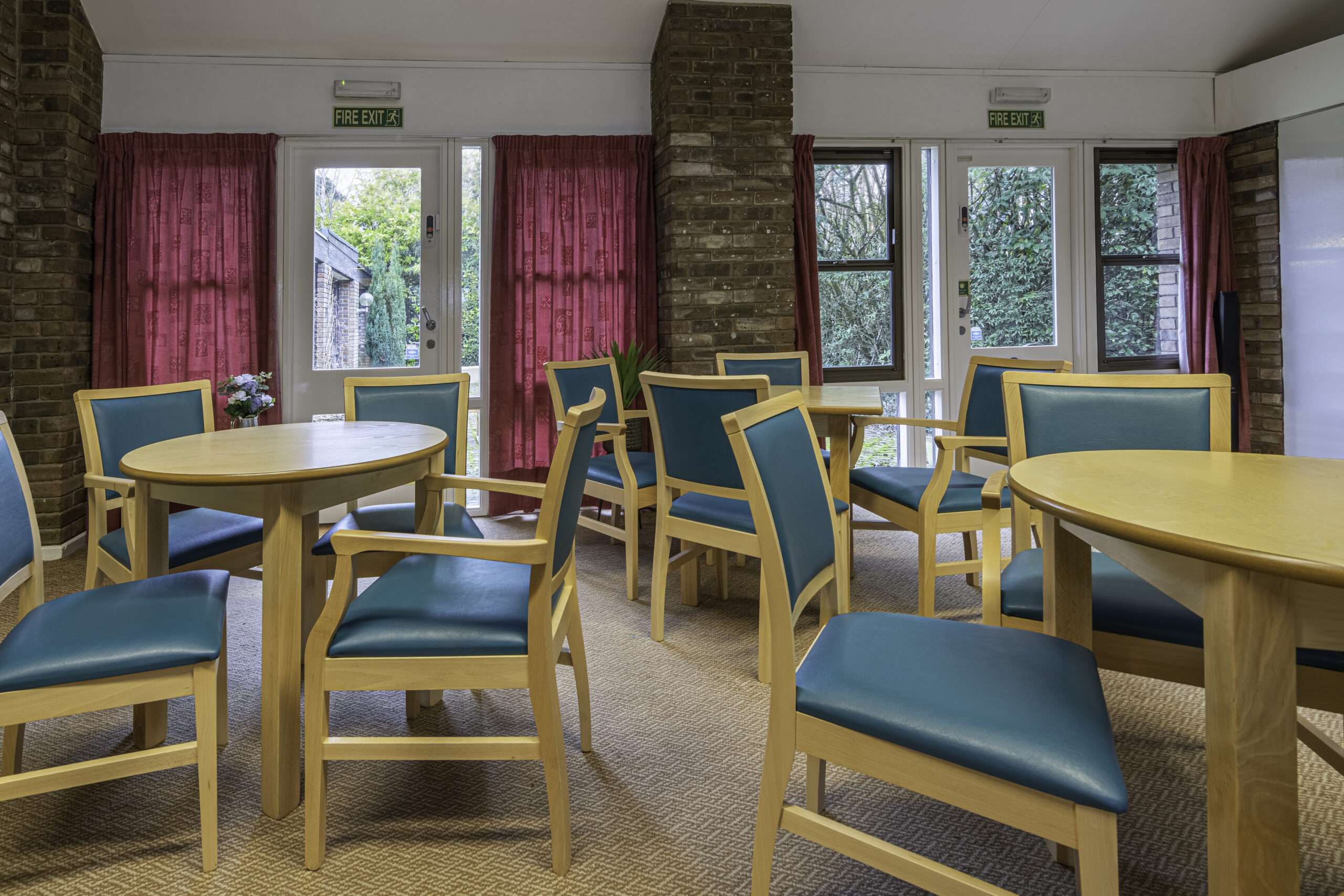
- Space Optimisation and Flexibility: Efficient space utilisation is vital in care homes. Contract furniture offers solutions that maximise functionality and flexibility. Consider modular seating arrangements that can be easily reconfigured to accommodate different activities and group sizes. Opt for furniture with built-in storage options to keep essential items close at hand, reducing clutter and maintaining a tidy environment. Additionally, select furniture that is appropriately scaled to the space to create a harmonious and unobstructed flow.
- Comfort and Accessibility: Comfort is paramount in care home design. Choose contract furniture that prioritises ergonomic design, supportive cushioning, and adjustable features to accommodate residents’ varying needs and preferences. Incorporate features such as easy-to-reach controls, heightadjustable tables, and accessible seating options to enhance residents’ comfort and independence. Furthermore, consider incorporating furniture with anti-slip surfaces, sturdy armrests, and stable frames to ensure safety and accessibility for older adults.
- Therapeutic Elements and Sensory Design: Therapeutic design elements can significantly impact the well-being of care home residents. Explore trends such as nature-inspired motifs, soothing colour palettes, and soft textures to create a calming environment. Incorporate sensory elements like tactile fabrics, stimulating artwork, and natural lighting to engage residents’ senses and promote positive experiences. Consider creating designated relaxation areas with comfortable seating and adjustable lighting to provide residents with spaces for tranquillity and rejuvenation.
- Sustainability and Durable Solutions: Sustainability and durability are key considerations when selecting contract furniture for care homes. Look for furniture made from eco-friendly materials, such as responsibly sourced wood and recyclable components. Choose products that meet high-quality standards and have undergone rigorous testing for longevity and safety. Investing in durable furniture reduces the need for frequent replacements, saving costs and minimising waste in the long run. Additionally, sustainable practices contribute to a healthier environment for both residents and staff.
Conclusion
Designing care homes with contract furniture requires careful consideration of functionality, comfort, and aesthetic appeal. By optimising space, prioritising comfort and accessibility, incorporating therapeutic elements, and selecting sustainable and durable solutions, you can create environments that enhance the well-being of care home residents. At Mulberry Contract Furniture, we understand the unique needs of care home settings and offer a wide range of contract furniture options designed to meet those needs. Partner with us to transform your care home into a nurturing, inviting, and supportive space where residents can thrive and feel at home.